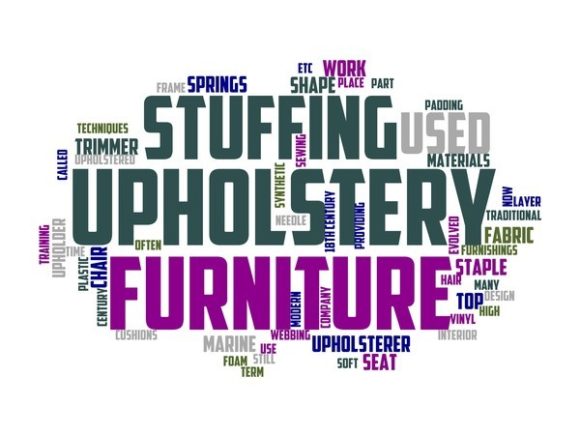
Upholsterer Typography Sublimation: A New Era in Creative Design
In a world where visual storytelling is becoming increasingly vital, Upholsterer Typography Sublimation has emerged as a powerful tool for creators and businesses alike. This innovative technique blends the art of typography with the precision of sublimation printing to produce stunning, high-quality designs that can be applied to a wide range of products. From clothing to home décor, the versatility of Upholsterer Typography Sublimation allows designers to bring their visions to life in ways that were previously unimaginable.
The Intersection of Art and Technology
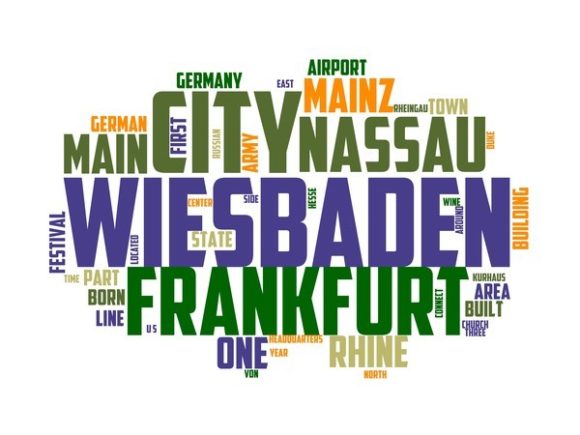
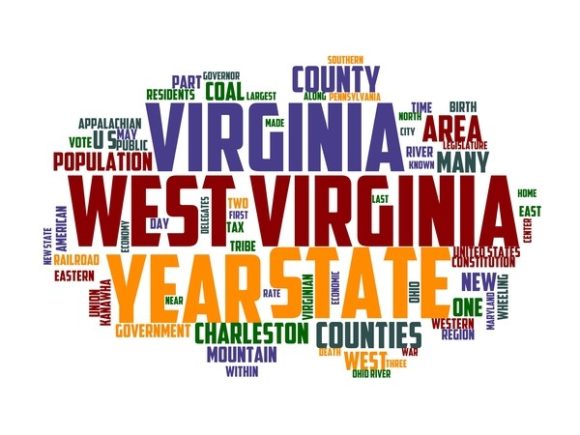
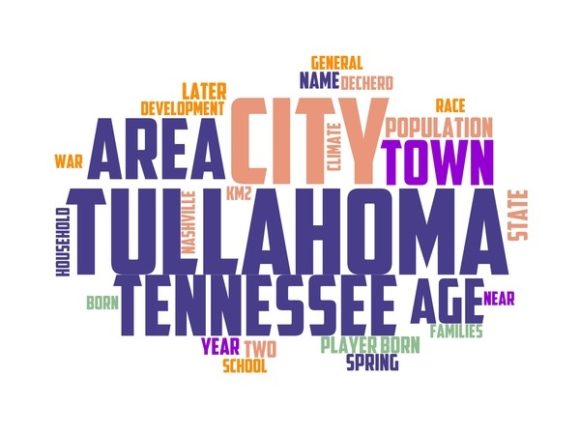
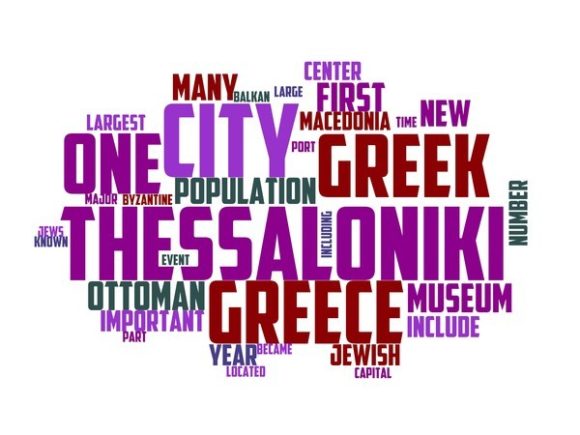
At its core, Upholsterer Typography Sublimation involves using hand-drawn, colorful wordclouds as the foundation for design projects. These wordclouds are not just decorative elements; they serve as a canvas for creativity, offering a unique way to convey messages, emotions, and brand identities. The process begins with creating a visually appealing wordcloud, which is then printed using sublimation techniques that transfer the design onto various materials with exceptional clarity and vibrancy.
This method is particularly relevant in today’s market, where consumers are constantly seeking personalized and meaningful products. Whether it's a custom T-shirt, a handmade poster, or a beautifully designed notebook, the ability to create unique, eye-catching designs has become a key differentiator in the creative industry.
Trends Shaping the Future of Design
As digital trends continue to evolve, so too does the demand for tactile, visually engaging content. Upholsterer Typography Sublimation aligns perfectly with this shift, offering a blend of traditional artistry and modern technology. The rise of e-commerce and online marketplaces has made it easier than ever for independent creators to reach a global audience, and the ability to offer one-of-a-kind, custom-designed products is a significant advantage.
Moreover, the growing interest in sustainability and ethical production has led many consumers to seek out products that are both beautiful and responsibly made. Upholsterer Typography Sublimation supports this movement by allowing for minimal waste and the use of eco-friendly materials, making it an attractive option for environmentally conscious creators and consumers alike.
Practical Applications Across Industries
The applications of Upholsterer Typography Sublimation are vast and varied. Here are some of the most common uses:
- Clothing: Custom T-shirts, hoodies, and other apparel can be adorned with vibrant wordclouds that reflect personal style or brand identity.
- Home Décor: Pillows, wall art, and throw blankets can feature intricate wordcloud designs that add a touch of personality to any space.
- Marketing Materials: Business cards, brochures, and promotional banners can benefit from the visual impact of hand-drawn typography.
- Stationery: Notebooks, planners, and greeting cards can be enhanced with inspiring wordclouds that make everyday writing more enjoyable.
- Gifts and Accessories: Customized mugs, magnets, and stickers are popular items that can be easily produced using this technique.
These practical examples highlight how Upholsterer Typography Sublimation can be integrated into various aspects of daily life, from personal expression to professional branding.
Why It Matters Now
The increasing reliance on digital media has made it challenging for physical products to stand out. However, Upholsterer Typography Sublimation offers a solution by combining the best of both worlds—digital creativity and physical craftsmanship. As people seek more meaningful connections with the products they buy, the ability to create visually compelling, custom-designed items becomes more valuable than ever.
Additionally, the rise of social media platforms like Instagram and Pinterest has created a new marketplace for creative goods. These platforms favor visually striking content, and Upholsterer Typography Sublimation provides an excellent way to generate attention-grabbing visuals that resonate with audiences.
Getting Started with Upholsterer Typography Sublimation
For those interested in exploring Upholsterer Typography Sublimation, there are several steps to consider:
- Create a Wordcloud: Use design software or online tools to develop a hand-drawn, colorful wordcloud that reflects your vision or brand message.
- Choose Your Material: Select the product you want to customize, whether it's fabric, paper, or another suitable medium.
- Prepare for Sublimation: Ensure that your chosen material is compatible with sublimation printing techniques and follow proper preparation guidelines.
- Print and Apply: Use a sublimation printer to transfer your design onto the material, ensuring optimal quality and color vibrancy.
- Review and Refine: Assess the final product and make any necessary adjustments to improve the overall appearance and functionality.
By following these steps, even beginners can begin creating stunning, custom-designed products that showcase their creativity and meet the needs of their target audience.
Real-World Impact and Recommendations
Many small businesses and independent creators have already seen the benefits of incorporating Upholsterer Typography Sublimation into their workflows. For example, a local boutique may use custom-designed notebooks and mugs to attract customers, while a marketing agency might create branded promotional materials that stand out in a crowded market.
For those looking to get started, it's essential to invest in quality materials and equipment. While the initial costs may seem high, the long-term benefits of producing high-quality, custom-designed products often outweigh the expenses. Additionally, staying updated on design trends and customer preferences will help ensure that your offerings remain relevant and appealing.
Ultimately, Upholsterer Typography Sublimation represents a unique opportunity for creators to merge artistry with technology, resulting in products that are both beautiful and functional. As the demand for personalized and meaningful design continues to grow, this technique is poised to play an increasingly important role in the creative landscape.